
As another hurricane season approaches in South Florida, homeowners diligently stock up on water, batteries, and non-perishables. But in the flurry of preparations, one of the most critical and expensive pieces of equipment is often overlooked: your air conditioning system. High winds, flying debris, and power surges can cause significant damage. Taking a few proactive steps can protect your investment and ensure you have reliable cooling once the storm passes.
Proper preparation is about more than just hoping for the best; it’s about a strategic approach to securing your home’s most vital systems. Ensuring your AC is ready for the rigors of a tropical storm can save you from costly repairs and the misery of a sweltering home in the aftermath.
In the face of a hurricane, the best defense for your HVAC system is a good offense. Proactive preparation minimizes risk and speeds up your return to normalcy after the storm.
Before the storm approaches, it’s wise to perform a quick system check-up. Turn on your AC to ensure it’s cooling properly. If you hear strange noises or notice any issues, it’s far better to have them addressed by a professional now rather than discovering them when you need your system most after a power outage. A pre-storm tune-up ensures all components are secure and functioning correctly, making them less susceptible to damage from the violent weather ahead.
Why Pre-Storm HVAC Prep is Non-Negotiable
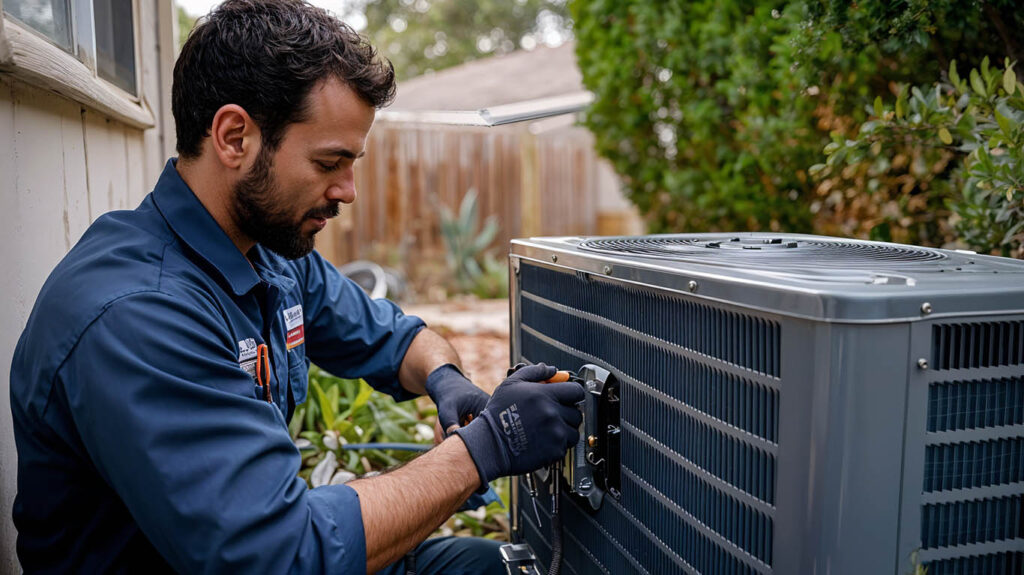
Protecting your outdoor unit (the condenser) is the most important physical step you can take. This unit is completely exposed to the elements, and taking direct action can prevent thousands of dollars in damage. Here are the essential steps every Cooper City homeowner should take before a hurricane makes landfall.
-
Turn Off the Power: Before the storm arrives, turn off your AC system at the thermostat and, most importantly, at the circuit breaker. This protects the unit from potentially catastrophic damage caused by power surges when electricity is restored.
-
Secure the Outdoor Unit: If you have hurricane straps or a protective cage, ensure they are engaged and secure. If not, you can cover the unit with a sturdy, waterproof tarp and secure it tightly with bungee cords or rope to protect it from flying debris and excess water.
-
Clear the Surrounding Area: Remove any potential projectiles from around your outdoor unit. This includes patio furniture, grills, potted plants, and loose tree branches. Creating a clear zone minimizes the risk of impact damage.
-
Post-Storm Inspection: After the storm has passed and it’s safe to go outside, remove any covering and inspect the unit for damage before restoring power. If you see any signs of damage or your yard experienced flooding, call a professional for an inspection.